
When Imitation Goes Beyond Flattery

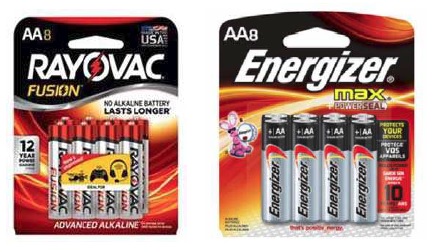
In a lawsuit filed in the Eastern District of Missouri today, Energizer Brands complained about Spectrum Brands’ “imitation” of its packaging, raising claims of trade dress infringement, false designation of origin, unfair competition,  federal trademark infringement, federal trademark dilution, injury to business reputation, trademark and trade dress infringement, dilution, and unfair competition under state law, and . . . copyright infringement.

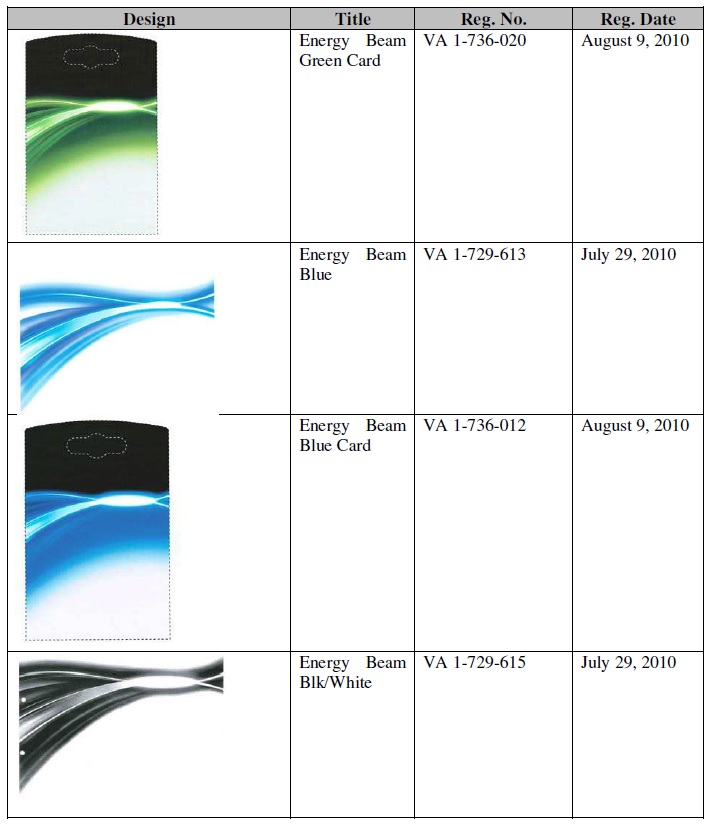
Trade dress cases are not unusual, but Energizer had the foresight to seek copyright registrations on some of its packaging:

energizer_i


energizer_ii


These copyright registrations give Energizer an additional path to victory, as well as enhanced remedies if it gets there.  A likelihood of confusion is a requirement for most infringement and unfair competition claims, and the prominent display of a trademark might make it hard to show the confusion is likely.
raovac-energizer


However, the availability of a copyright claim means that the trade dress owner doesn’t have to establish a likelihood of confusion, merely copying, something that can be shown from the similarity of the packages.

Regardless of whether Energizer is ultimately successful in its lawsuit, today’s filing demonstrates the value of copyrighting packaging and marketing materials.
 

Losing Control of V

A common client question is: “Can I ‘get in trouble’ for copying a picture, drawing, or cartoon and pasting it into my report, PowerPoint, etc.?”  Before you can answer, they try to answer their own question adding “everyone is doing it, so it must be ok”.  That answer is only half right — everyone is doing it.  It is so easy to copy <CTRL> C and paste <CTRL> V virtually anything you can find in a Google search, and add that extra something to your soporific presentation that only a cat video or epic fail image can provide.

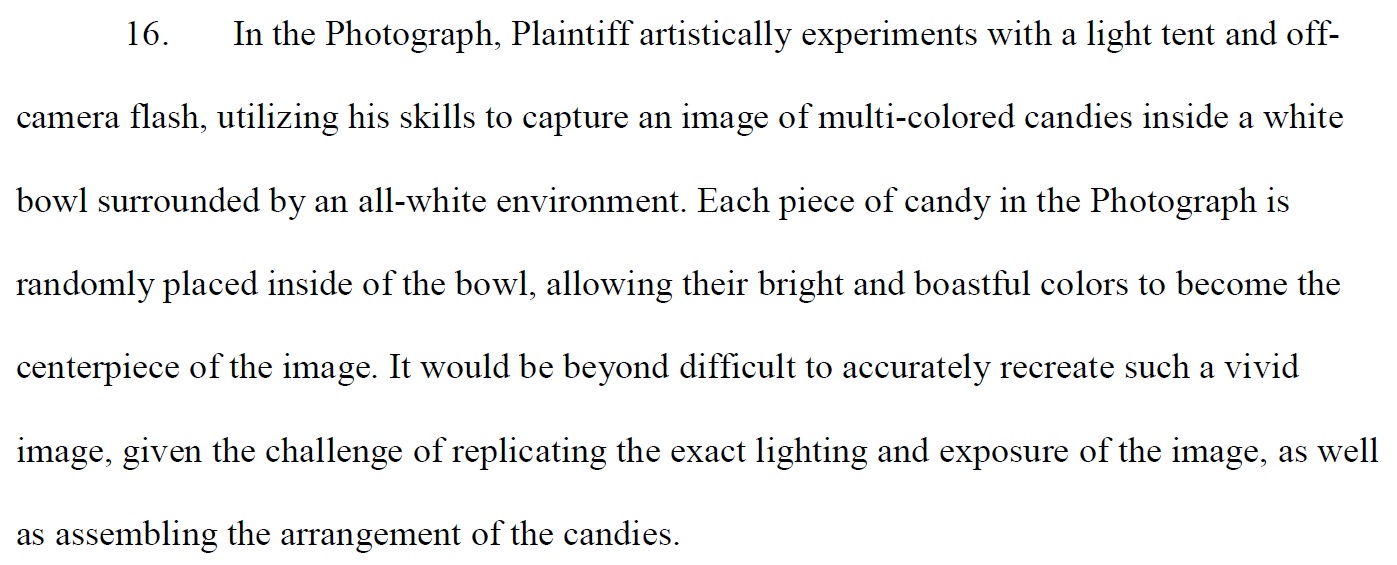
However copying is copying, an fair use does not extend as far as every PowerPoint maestro believes (or hopes) it does. This was most recently illustrated by in a lawsuit filed in the Northern District of Illinois by David Kittos against the Trump Campaign, complaining about their use of his photograph of a bowl of skittles to illustrate a tweet send by Donald Trump, Jr., and retweeted by the campaign, infringed his copyright.

Donald, Jr. probably thought a bowl of skittles is a bowl of skittles.  He obvious did not appreciate the artistry involved in photographing confections in crockery:

skittles-2


Assuming that getting sued meets the threshold for the original “get in trouble” question posed at the beginning of this post, the answer to that question is a resounding “yes,” you can get in trouble for copying other people’s work, even if the leave it carelessly lying around on the internet.  The likelihood of getting in trouble depends upon whether the author of the copied work finds out about it, and whether the author objects to the use.  If your last name is Trump, the answer is almost always going to be “yes” and “yes,” but even if your name is not as famous, if you are copying someone’s work for a business or commercial purpose, there is a chance they will find out about it, and a chance they are not going to appreciate it.

You may have a fair use defense — just as Donald Jr. may have — but you may not be in a good a position to assert it.  When copying and pasting materials in your work, look for materials you created or materials that are in the public domain or that you have permission to use.  If you must use copyrighted materials, make sure that you have a bona fide fair use defense (saving your audience from boredom is not such a bona fide fair use).  In other words, control your <CTRL> V.